Book Appointment Now

Lip Augmentation Surgery Before and After: Results, Recovery, Cost & Risks in 2026
Lip Augmentation Surgery Before and After: Results, Recovery, Cost & Risks in 2026
This guide explains the main surgical options, what you can expect before and after surgery, how long healing takes, what scars may look like, and what questions to ask before choosing a surgeon.
The goal is simple: help you look at lip augmentation surgery before and after photos with a more informed eye.
What Is Lip Augmentation Surgery?
Lip augmentation surgery refers to procedures that surgically improve the size, shape, projection, or visible portion of the lips.
Unlike temporary lip filler, surgical lip augmentation can involve an incision, tissue repositioning, fat transfer, or an implant. The exact method depends on what the patient wants to change.
Cleveland Clinic describes lip augmentation as a group of procedures that can create fuller-looking lips. Options include fat transfer and other surgical approaches, while fillers provide a nonsurgical alternative.
A key point is often missed online: lip augmentation surgery is not one single operation.
A lip lift changes the position and visible shape of the upper lip. Fat transfer adds the patient’s own fat to the lips. A lip implant adds a medical implant to create longer-lasting volume.
This difference matters when comparing before and after photographs. A result created by shortening the distance between the nose and upper lip will not look the same as a result created by adding volume.
For general medical information about lip augmentation, see the Cleveland Clinic lip augmentation guide.
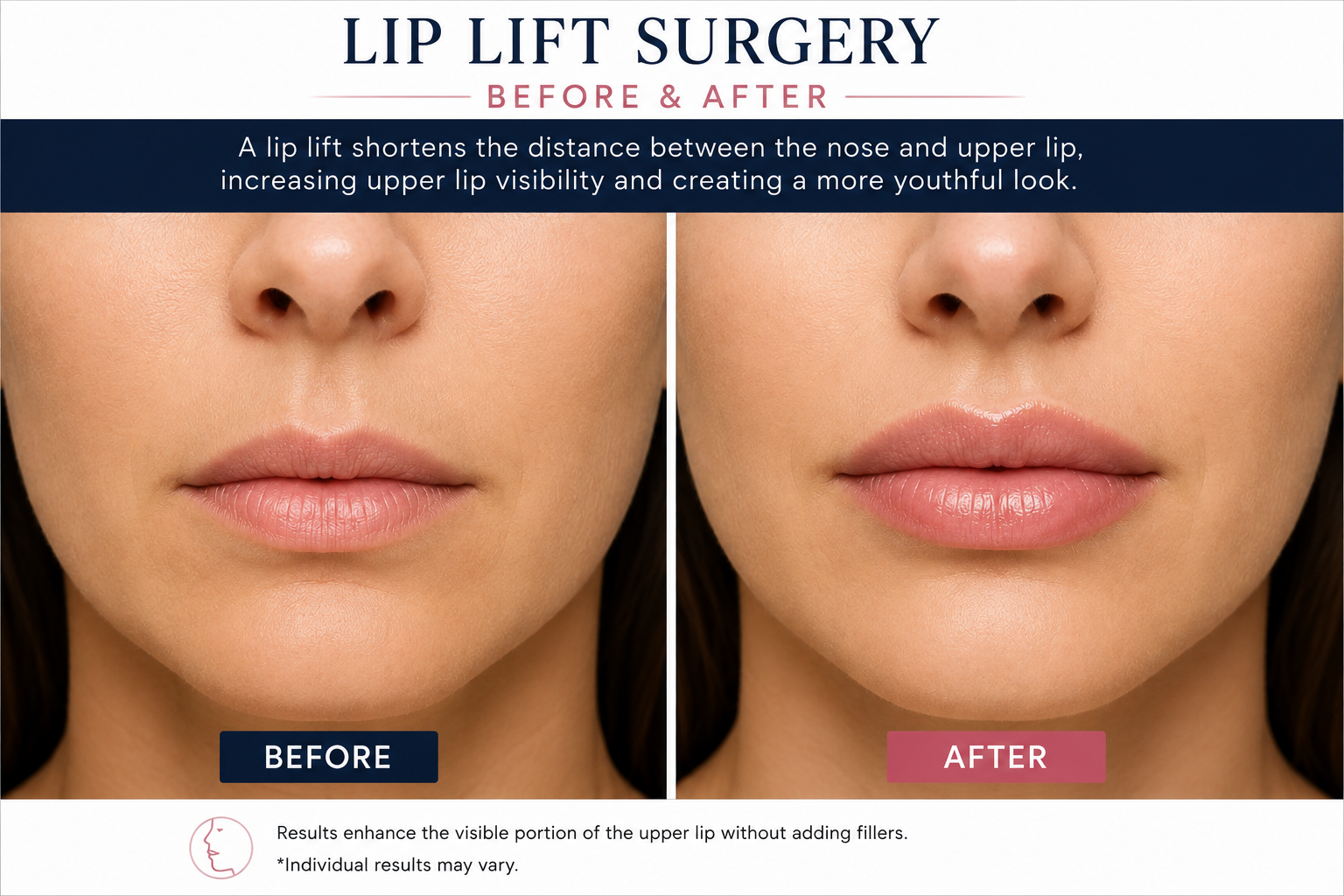
Lip Augmentation Surgery Before and After: What Changes?
The biggest changes usually involve lip shape, visible lip tissue, projection, balance, and the relationship between the lips and surrounding facial features.
The exact change depends on the surgical technique.
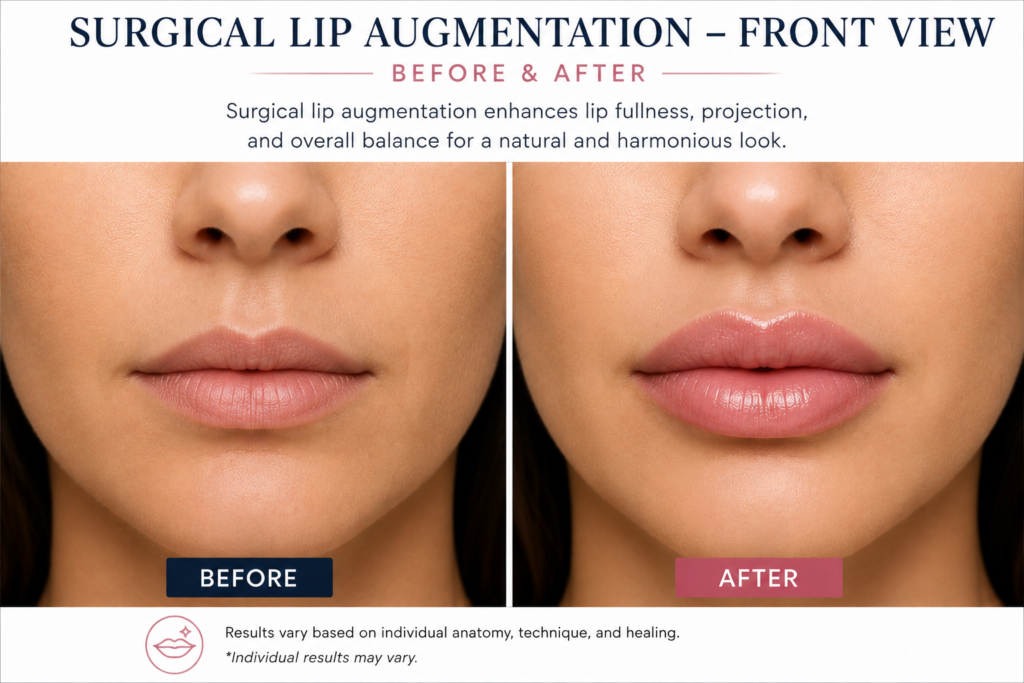
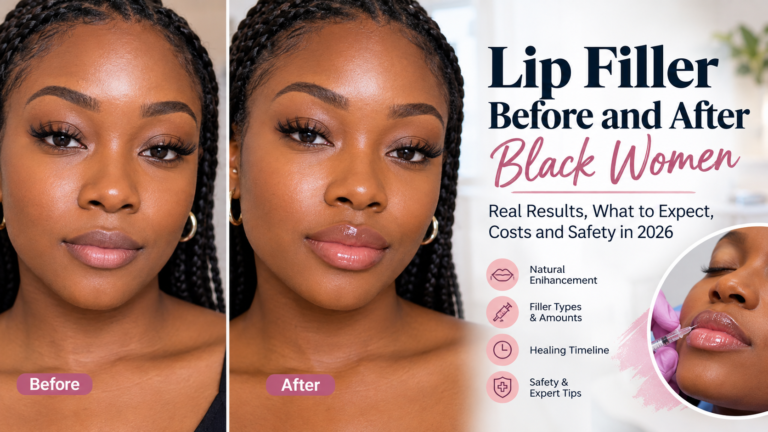
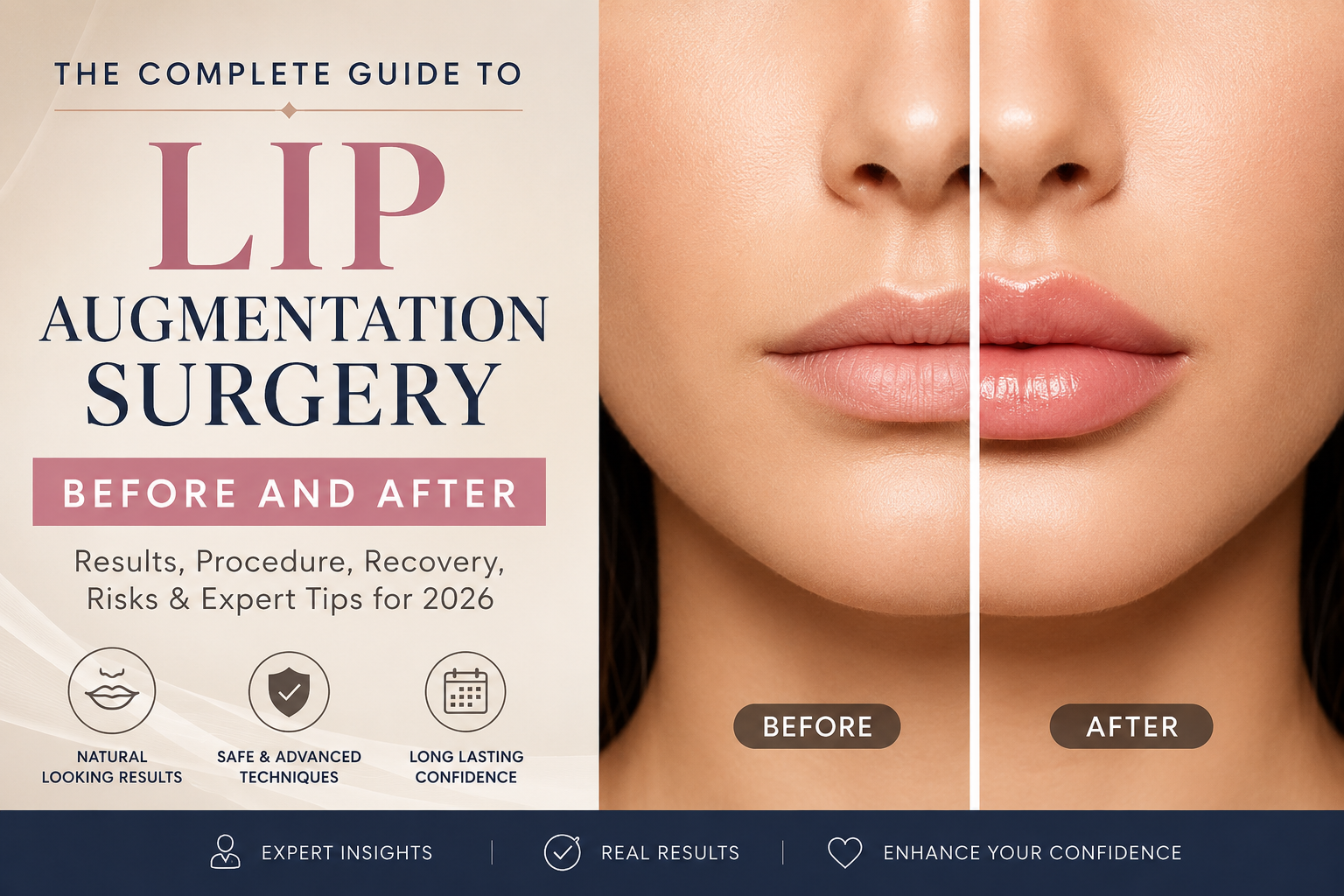
AI-generated image, not a real patient. Individual results vary.
1. Lip lift before and after
A lip lift does not simply add material to the lips. Instead, it changes the position of the upper lip.
During a common central or subnasal lip lift, the surgeon removes a small amount of skin beneath the nose and lifts the upper lip into a new position.
This can increase the amount of pink lip that is visible. It can also shorten the distance between the nose and upper lip.
Cleveland Clinic notes that a lip lift can create a more pronounced upper lip and may increase the appearance of lip fullness without using fillers or implants.
Before and after photos may therefore show a more visible upper lip rather than a dramatic increase in total lip volume.
See the Cleveland Clinic information on lip lift surgery for additional medical details.
2. Fat transfer before and after
Fat transfer uses fat taken from another area of the patient’s body.
The surgeon processes the fat and places a selected amount into the lips.
The before and after difference can include greater lip volume, softer contours, and improved balance between the upper and lower lips.
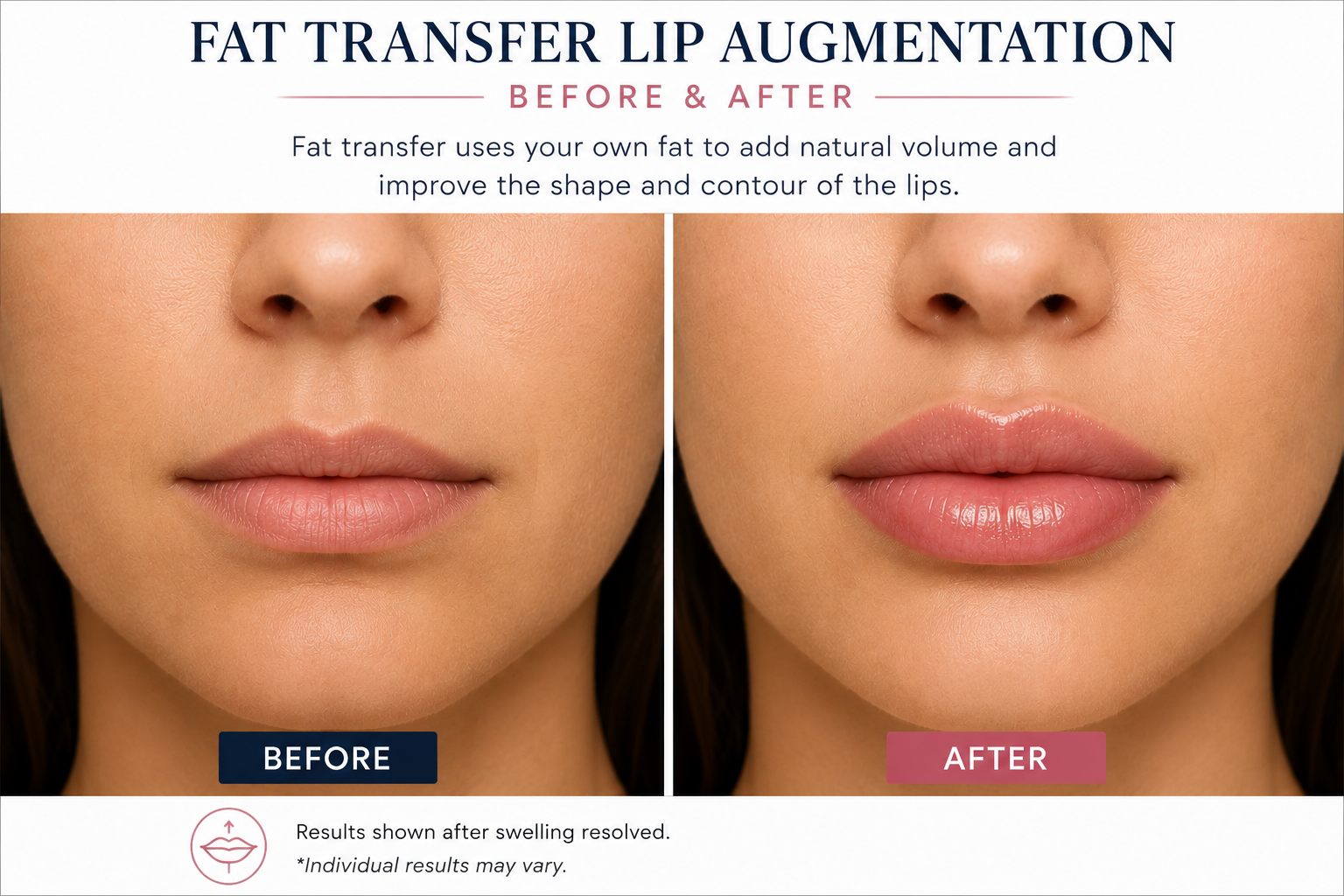
AI-generated image, not a real patient. Individual results vary.
The early result can be misleading because swelling affects the appearance of the lips. The final appearance is not necessarily the same as the first postoperative photograph.
3. Lip implants before and after
Lip implants are designed to provide a structural source of volume.
The implant is placed through small incisions and positioned inside the lip. The goal is to create additional projection and fullness.
Implant results can look more pronounced than a subtle lip lift because the implant directly adds volume.
Patients considering implants should ask about implant material, sizing, placement, possible complications, and what happens if the implant needs to be removed.
Cleveland Clinic notes that some surgical lip augmentation results can be modified. For example, a lip implant can be removed if the patient is unhappy with the result.
What Do Lip Augmentation Surgery Before and After Pictures Show?
Good before and after pictures should show more than a close-up of the lips.
Ideally, photographs should make it possible to compare the patient’s face from similar angles and under similar lighting.
Look for front-facing photographs and side or three-quarter views. The side view is especially useful when evaluating lip projection.
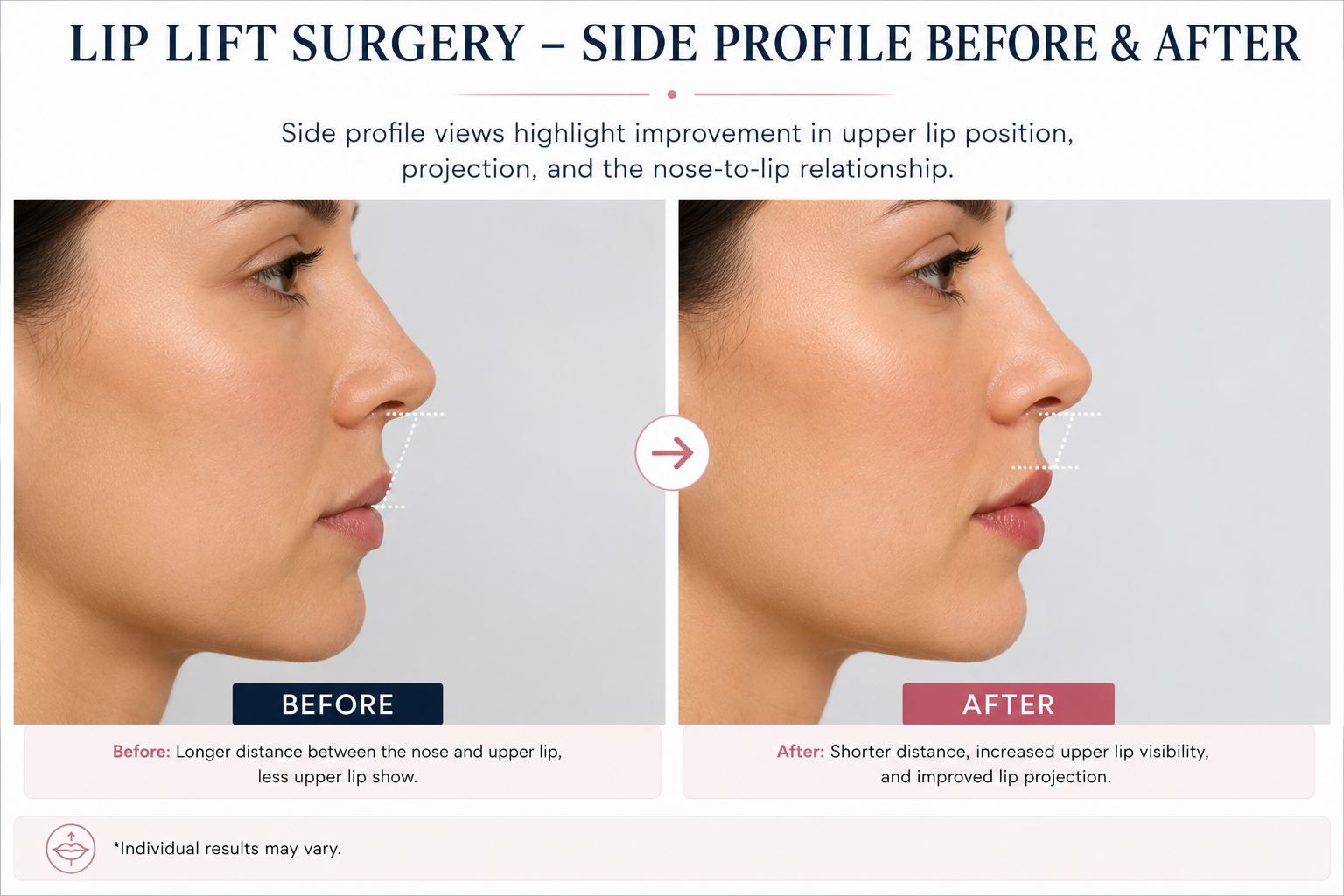
The side view highlights changes in upper-lip position and projection.
AI-generated image, not a real patient.
You should also look at the relationship between the upper and lower lips.
A successful result does not necessarily mean making both lips equally large. Natural lips are rarely perfectly symmetrical, and facial proportions differ from person to person.
When reviewing lip augmentation surgery before and after pictures, pay attention to these changes:
- Upper lip visibility
- Lower lip fullness
- Overall lip projection
- Upper-to-lower lip balance
- Cupid’s bow shape
- Mouth width and facial balance
- Visible upper teeth when smiling
- Distance between the nose and upper lip
- Scarring around the surgical area
- Swelling at different stages of recovery
These details give you a much better idea of what surgery actually changed.
Lip Augmentation Surgery Before and After: What to Expect During Recovery
The first postoperative photograph should never be treated as the final result.
Swelling and bruising can temporarily make the lips look larger, uneven, or different from the expected result.
Recovery varies based on the operation. A lip lift and a fat transfer do not heal in exactly the same way.
The first few days
Swelling, tightness, tenderness, and bruising can occur after lip surgery.
Your surgeon may recommend keeping your head elevated while sleeping. Soft foods may also make eating more comfortable during the early recovery period.
Cleveland Clinic recommends following postoperative instructions closely, including avoiding excessive lip movement and using cold packs when advised.
About one week
Some of the early swelling and bruising may have improved by this stage.
Patients who undergo a lip lift may also have stitches removed during this period, depending on the technique and type of sutures used.
Cleveland Clinic reports that bruising after lip lift surgery often improves within about a week, while sutures may be removed after several days.
Several weeks after surgery
The lips generally look less swollen as healing continues.
The surgical area may still feel tight or different from normal. The scar may also look more noticeable before it begins to soften and fade.
Several months after surgery
This is when before and after comparisons become more useful.
With a lip lift, Cleveland Clinic states that the surgical site can take six to eight weeks to heal, while some tightness or altered sensation can last longer.
Optimal lip lift results may take several months to become clear.
This is why comparing a pre-surgery photo with a very early postoperative photo can give the wrong impression.
When Will You See the Final Lip Augmentation Surgery Results?
There is no single date when every patient reaches the final result.
The healing period depends on the surgical method, the amount of tissue treated, the patient’s healing response, and whether other procedures were performed at the same time.
Lip lift patients may see noticeable changes quickly, but swelling can continue to settle for weeks.
Fat transfer patients also need time for swelling to resolve and for the transferred fat to settle.
Implant patients may see a clear change in volume early, but postoperative swelling can still affect the appearance.
When looking at lip augmentation surgery before and after photos, always check how long after surgery the “after” photograph was taken.
A photograph taken three days after surgery tells a very different story from one taken four months later.
Lip Lift vs Lip Filler: Which One Looks More Natural?
Neither treatment automatically looks more natural. The technique, amount of correction, anatomy, and skill of the provider matter more.
A lip lift can create a more visible upper lip by changing its position. It may be useful for someone with a long upper lip or limited upper-lip show.
Lip filler adds volume without surgery. It is temporary and can often be adjusted over time.
The FDA states that approved dermal fillers can be used to increase lip fullness in appropriate patients. The agency also warns against unapproved filler products and needle-free filler injection devices.
Read the FDA guidance on dermal filler safety before considering injectable lip enhancement.
Surgery may appeal to people who want a longer-lasting structural change. Filler may appeal to people who want a temporary change without an incision.
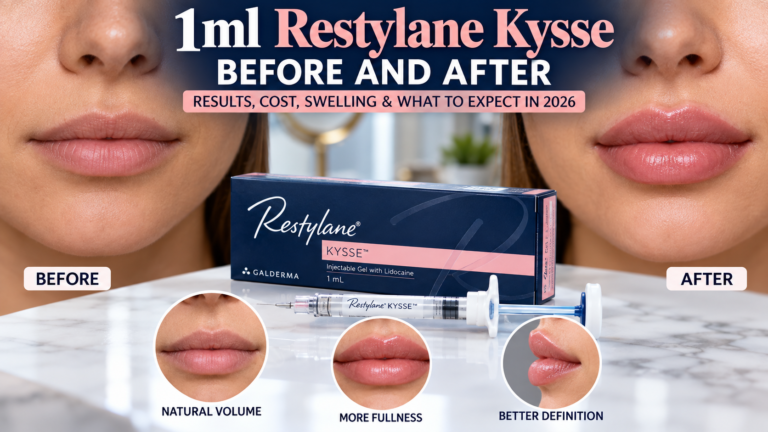
Also check: Restylane Kysse Lip Filler Before and After
Who Is a Good Candidate for Lip Augmentation Surgery?
A good candidate usually has a clear reason for wanting a change and realistic expectations about what surgery can achieve.
The right operation also depends on anatomy.
For example, someone with a thin upper lip and a long distance between the nose and upper lip may be considered for a lip lift.
Someone who mainly wants more volume may discuss fat transfer, an implant, or nonsurgical filler with a qualified provider.
Cleveland Clinic lists a thin upper lip and a relatively long upper lip among factors that can make a person a potential lip lift candidate.
Your surgeon should also review your medical history, medications, smoking or tobacco use, allergies, previous procedures, and healing risks.
Do not choose surgery based only on a celebrity photograph. A result that looks attractive on another person’s face may not suit your proportions.
What Happens During a Lip Lift?
A lip lift usually involves removing a small amount of skin and repositioning the upper lip.
One common approach places the incision beneath the nose. The surgeon removes a measured amount of skin and closes the incision with sutures.
Cleveland Clinic states that a typical lip lift can take less than an hour, although the time varies by technique.
The procedure is often performed as an outpatient surgery.
The exact technique should be selected after examining your facial proportions rather than simply choosing the procedure with the most dramatic before and after photos.
Does Lip Augmentation Surgery Leave a Scar?
Surgical lip augmentation can leave scars, but their location depends on the procedure.
A lip lift usually has a scar near the base of the nose. Surgeons place the incision carefully to help hide it within natural contours.
The scar can look more noticeable during early healing. Over time, it may soften and become less visible.
Cleveland Clinic notes that visible scarring is possible after lip lift surgery and that scars are generally placed in a natural crease beneath the nose.
Ask your surgeon to show you healed lip lift scars, not only early postoperative photographs.
This is one of the most useful questions to ask when reviewing a surgeon’s before and after gallery.
What Are the Risks of Lip Augmentation Surgery?
Lip augmentation surgery is still surgery, so there are risks.
Possible complications depend on the procedure but can include infection, bleeding, swelling, scarring, asymmetry, changes in sensation, wound-healing problems, and dissatisfaction with the cosmetic result.
Lip lift surgery can also produce a scar that remains more visible than expected. Uneven lips or prolonged swelling are other possible concerns.
Cleveland Clinic lists infection, nerve damage, permanent scarring, persistent swelling, bruising, and uneven lips among possible lip lift risks.
Fat transfer has its own risks because fat is removed from another body area and then transferred to the lips.
Implants also have procedure-specific risks, including the possibility that an implant may need adjustment or removal.
Your surgeon should explain the risks that apply to your specific procedure rather than giving you a generic list.
Lip Augmentation Surgery Cost in 2026
The price of lip augmentation surgery varies widely by procedure and location.
A lip lift, fat transfer, and lip implant are different operations with different costs.
Your total price may include the surgeon’s fee, facility costs, anesthesia, medications, follow-up appointments, and other medical expenses.
Geographic location also affects the price.
Because of these differences, quoting one universal price for lip augmentation surgery would be misleading.
When comparing costs, ask for the complete surgical quote rather than only the advertised surgeon fee.
A very low price should also prompt questions about who performs the operation, where the surgery takes place, and what is included in the fee.
How to Choose a Surgeon for Lip Augmentation
The surgeon you choose can affect both your safety and your cosmetic result.
Start by checking the surgeon’s training, credentials, surgical experience, and experience with the exact procedure you are considering.
The American Society of Plastic Surgeons recommends reviewing a surgeon’s qualifications and looking at examples of their work when considering cosmetic procedures.
You can also review the American Society of Plastic Surgeons resources for information about cosmetic plastic surgery.
During a consultation, ask to see before and after photographs of patients with similar lip shape, facial proportions, and goals.
This is more useful than looking only at the surgeon’s most dramatic result.
Questions to ask during your consultation
- Which lip augmentation procedure do you recommend for me?
- Why is this procedure better for my anatomy?
- Can I see healed before and after photographs?
- How long have you performed this procedure?
- Where will the surgery take place?
- What type of anesthesia will be used?
- Where will the incision be placed?
- What will the scar look like?
- How long should I expect swelling to last?
- When can I return to work?
- When can I exercise again?
- What complications should I watch for?
- What happens if I dislike the result?
- What is the full cost of the procedure?
How to Read Lip Augmentation Surgery Before and After Photos
Before and after photographs are useful, but you need to compare them carefully.
Start with the angle. If the before image is straight-on and the after image is tilted, the difference may look larger than it really is.
Next, check the lighting. Bright light can change the appearance of lip texture and shadows.
Makeup can also affect the comparison.
Look for photographs taken under similar conditions whenever possible.
Most importantly, check the timing of the after photograph.
A one-week photograph can show swelling. A photograph several months after surgery usually provides a better view of the settled result.
You should also check whether the patient had other procedures at the same time.
A lip lift combined with other facial procedures can make it difficult to know exactly what caused the change around the mouth.
What Makes a Lip Augmentation Result Look Natural?
Natural-looking lip augmentation usually comes from proportion rather than maximum volume.
The upper and lower lips should work with the shape of the rest of the face.
The Cupid’s bow, lip corners, chin, nose, and lower face all influence how lip size is perceived.
A surgeon may therefore recommend a smaller change than the patient originally expects.
That is not necessarily a bad result. In many cases, a modest change can make the lips look fuller while preserving facial movement and balance.
When reviewing lip augmentation surgery before and after photographs, look for balance rather than simply asking which patient has the largest lips.
Lip Augmentation Surgery for Thin Lips
Thin lips are one of the common reasons people consider lip enhancement.
Surgery can approach thin lips in different ways.
A lip lift may increase the amount of visible upper lip. Fat transfer can add volume. An implant can provide longer-lasting structural fullness.
The right choice depends on whether the main concern is lip volume, lip position, upper-lip length, projection, or facial balance.
This distinction is particularly useful for people searching for lip augmentation surgery before and after thin lips.
A before and after photo showing a fuller lip does not automatically tell you which technique produced the result.
Always check the procedure name and the amount of time between surgery and the after photograph.
Lip Augmentation Surgery for Older Adults
Lips can become thinner and the area around the mouth can change with age.
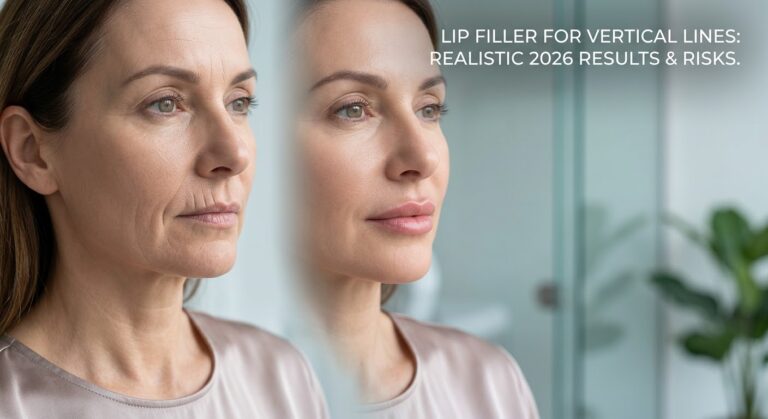
The upper lip may appear longer, the red portion of the lip may become less visible, and vertical lines can become more noticeable.
A lip lift may be considered when the main issue is an elongated upper lip and reduced lip show.
Cleveland Clinic notes that aging can lengthen the upper lip and reduce visible upper teeth and lip show.
However, age alone does not determine whether surgery is appropriate.
A consultation should consider general health, medications, skin quality, smoking status, healing ability, and the patient’s goals.
Can Lip Augmentation Surgery Be Reversed?
Reversibility depends on the procedure.
A lip implant can generally be removed if necessary, although removal requires another procedure.
A lip lift is different because it removes skin and changes the position of the lip. It should therefore be considered a permanent structural change.
Fat transfer also differs from temporary filler. Some transferred fat may remain long term, while the amount of retained fat can vary.
These differences should be discussed before surgery, especially if you are uncertain about making a permanent change.
Lip Augmentation Surgery vs Lip Filler in 2026
The best choice depends on the result you want.
| Feature | Surgical Lip Augmentation | Lip Filler |
|---|---|---|
| Procedure type | Surgical | Injection |
| Incision | Depends on procedure | No surgical incision |
| Recovery | Usually longer | Usually shorter |
| Result | Can be long lasting or permanent depending on technique | Temporary |
| Volume control | Depends on technique | Can be adjusted with treatment |
| Scarring | Possible with surgery | No surgical scar |
The FDA notes that dermal filler side effects commonly include swelling and bruising, which often resolve within days to weeks.
Fillers are not risk-free. Serious complications can occur if filler enters a blood vessel, which is one reason the FDA advises consumers to use qualified medical professionals.
What Should You Avoid Before Lip Augmentation Surgery?
Follow your surgeon’s specific preparation instructions because they are based on your procedure and medical history.
Your surgeon may review medications, supplements, alcohol use, tobacco use, allergies, and previous procedures.
Do not stop prescribed medication on your own.
Cleveland Clinic specifically advises patients to discuss medications and supplements with their healthcare provider and not make medication changes without approval.
If you smoke, ask your surgeon how long you should stop before and after surgery. Smoking can affect healing.
What Should You Avoid After Lip Augmentation Surgery?
Your surgeon’s instructions should always take priority, but common postoperative advice may include limiting excessive lip movement, eating soft foods, keeping the head elevated, and avoiding strenuous activity during early healing.
Do not press, massage, or manipulate the surgical area unless your surgeon specifically tells you to do so.
You should also attend scheduled follow-up appointments.
Contact your surgeon if you develop symptoms that concern you, including worsening swelling, fever, severe pain, excessive bleeding, or signs of infection.
Why Your Lip Augmentation Before and After Result May Differ From Online Photos
No two patients have exactly the same lip anatomy.
Skin thickness, lip length, muscle movement, facial proportions, existing volume, and healing response can all affect the result.
Photography also changes how lips look.
Lip position can appear different when someone smiles, relaxes their mouth, or slightly changes their head position.
This is why a surgeon should assess your face directly rather than promise that you will reproduce another person’s before and after photograph.
A good consultation should focus on what can realistically be achieved with your anatomy.
Are Lip Augmentation Surgery Results Permanent?
It depends on the technique.
A lip lift is considered a permanent cosmetic procedure because the surgery changes the position of the upper lip by removing skin.
Lip implants are intended to provide long-lasting augmentation but can be removed or replaced when clinically appropriate.
Fat transfer can provide longer-lasting volume, although not every transferred fat cell survives.
This is another reason to identify the exact procedure when searching for lip augmentation surgery before and after results.
Are Lip Augmentation Surgery Before and After Photos Reliable?
They can be useful, but they should not be treated as a guarantee.
Look for galleries showing multiple angles, similar lighting, and a clear indication of how long after surgery the photograph was taken.
Also ask whether the images have been edited.
The most useful gallery is one that shows ordinary patients with a range of starting points and realistic results.
A surgeon who only shows extreme transformations may not give you a clear picture of the subtle changes that are possible.
Key Takeaways Before Booking Lip Augmentation Surgery
If you are researching lip augmentation surgery before and after results in 2026, focus on the procedure behind each photograph.
- A lip lift changes the position and visible portion of the upper lip.
- Fat transfer adds the patient’s own fat to the lips.
- Lip implants provide structural volume.
- Lip filler is a nonsurgical and temporary alternative.
- Early postoperative swelling can make results look larger than the final result.
- Scarring is possible with surgical procedures.
- Final results take time to settle.
- The most natural result usually considers facial balance rather than maximum volume.
- Surgeon experience matters when choosing a surgical technique.
- Before and after photographs should be compared at similar angles and healing stages.
Frequently Asked Questions About Lip Augmentation Surgery Before and After
What does lip augmentation surgery before and after look like?
Results vary by procedure. A lip lift may make more of the upper lip visible, while fat transfer or implants can add volume and projection. The final result also depends on the patient’s anatomy and healing.
How long does it take to see lip augmentation surgery results?
Some changes are visible immediately, but swelling can affect the appearance for weeks. With a lip lift, optimal results may take several months to become clear.
Does a lip lift make lips bigger?
A lip lift can make the upper lip appear fuller by increasing the visible amount of red lip and changing its position. It does not add filler or an implant.
Is lip augmentation surgery permanent?
It depends on the technique. A lip lift is a permanent structural change. Lip implants are long-lasting but can be removed. Fat transfer can also provide lasting volume, although the amount retained varies.
How long does swelling last after lip augmentation surgery?
Swelling varies by procedure and patient. Some swelling may improve within the first week, while smaller amounts can remain longer. Your surgeon can give you a more accurate recovery timeline.
Will lip augmentation surgery leave a scar?
A lip lift usually leaves a scar near the surgical incision, often beneath the nose. Surgeons place the incision carefully to reduce its visibility, but noticeable scarring remains possible.
Is lip augmentation surgery better than lip filler?
Neither option is automatically better. Surgery can provide longer-lasting structural changes, while filler provides temporary volume without surgery. The right choice depends on your goals and anatomy.
How much does lip augmentation surgery cost in 2026?
There is no single price. Cost varies according to the procedure, surgeon, location, anesthesia, facility, and follow-up care. Ask for a complete treatment quote before booking.
What is the best age for lip augmentation surgery?
There is no universal best age. Suitability depends on your anatomy, health, goals, expectations, and the specific procedure being considered.
Can thin lips be treated with lip augmentation surgery?
Yes. Depending on the cause of thin lips, options can include a lip lift, fat transfer, implant, or nonsurgical filler. A consultation helps determine which approach fits the patient’s anatomy.
How do I find the best lip augmentation surgeon?
Look for appropriate surgical training, relevant experience, proper credentials, and a strong gallery of healed before and after results. Ask specifically about the procedure you want rather than relying only on general cosmetic experience.
Can lip augmentation surgery go wrong?
Yes. Like other surgery, it carries risks. Possible problems include infection, bleeding, scarring, asymmetry, swelling, changes in sensation, and dissatisfaction with the result. A qualified surgeon should explain these risks before treatment.
Final Thoughts on Lip Augmentation Surgery Before and After
The most useful lip augmentation surgery before and after comparison is not the one showing the biggest transformation. It is the one that helps you understand what the surgery actually changed.
A lip lift can shorten the upper-lip area and increase visible lip show. Fat transfer can add volume using your own tissue. Implants can provide longer-lasting structural fullness. Fillers offer another option without surgery.
Before booking treatment, study healed photographs, ask what procedure was performed, check the recovery timeline, and discuss possible scars and complications.
Most importantly, choose a surgeon based on training, experience, safety, and results that match your goals, not simply on the most dramatic photograph online.
Your consultation should end with a clear understanding of the procedure, expected result, recovery, risks, scar location, and total cost. Those details matter far more than a single before and after picture.
Medical Sources and Further Reading
The following medical and professional resources provide additional information about lip augmentation, lip lift surgery, cosmetic fillers, and patient safety:
- Cleveland Clinic: Lip Augmentation
- Cleveland Clinic: Lip Lift Surgery
- U.S. Food and Drug Administration: Dermal Filler Safety
- American Society of Plastic Surgeons: Lip Augmentation Information